Individu
 Group

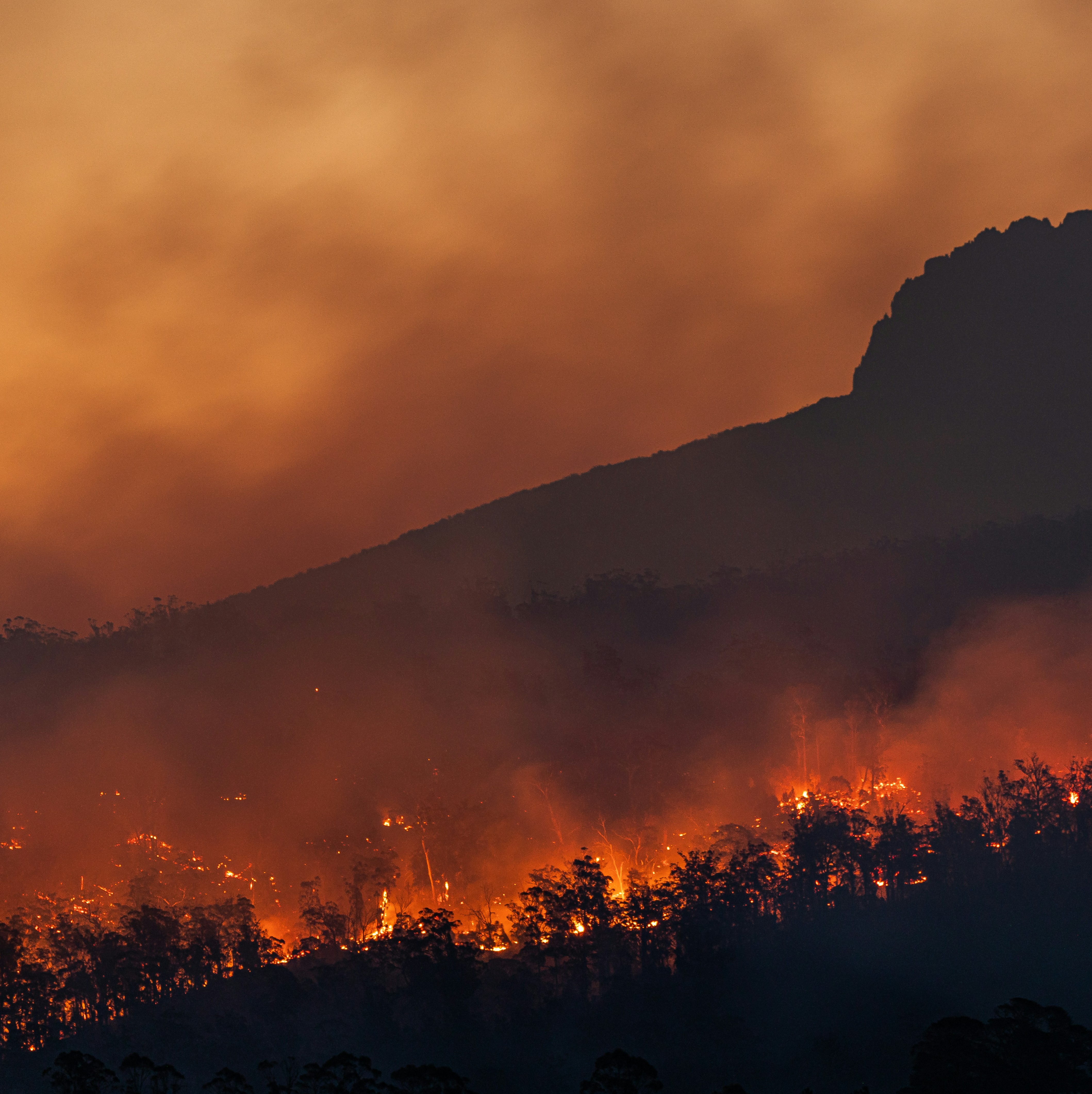
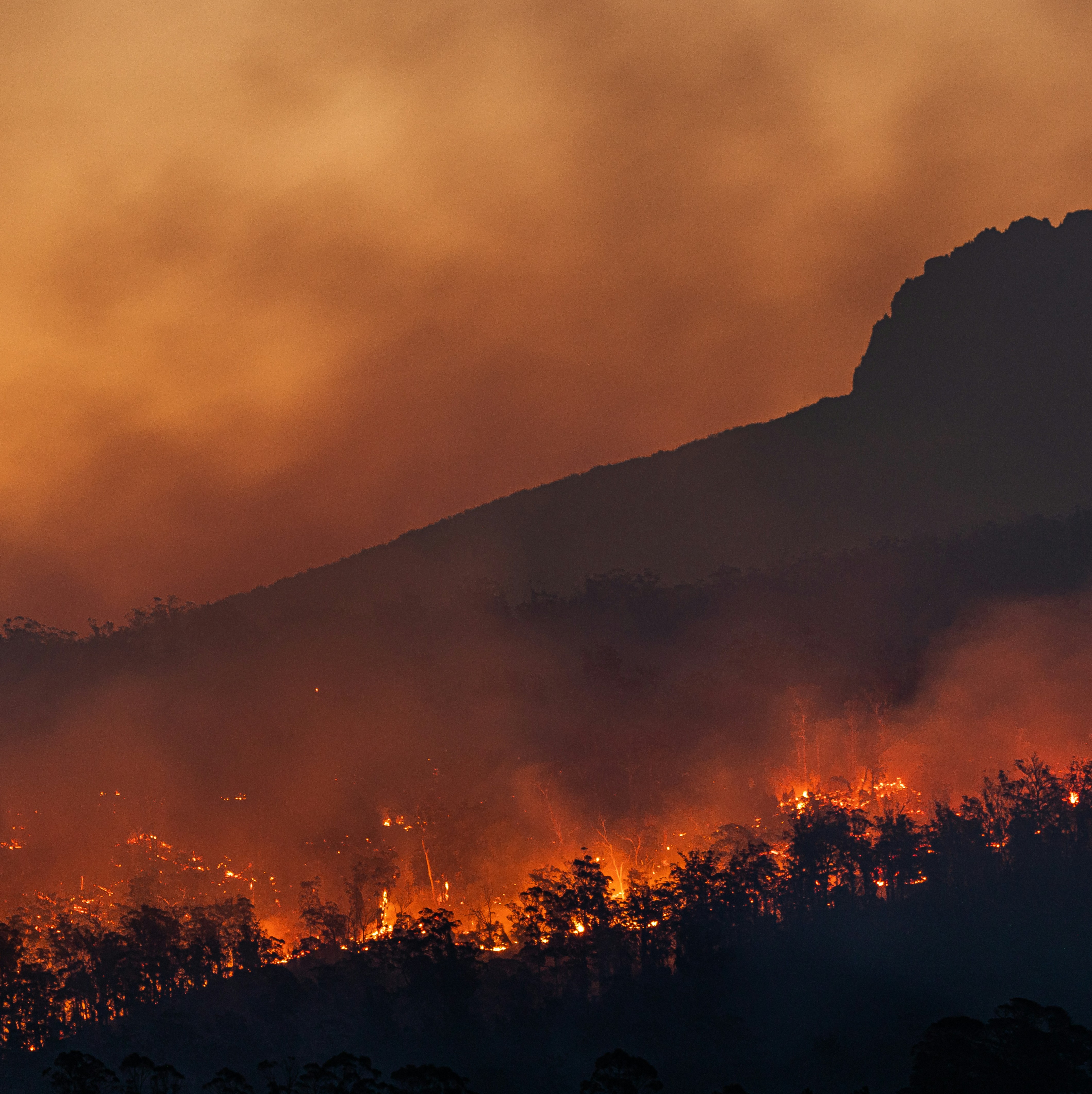
The Indonesian Pediatric Society (IDAI) reiterated that forest and land fires pose a serious threat to health, particularly to vulnerable groups such as children and adolescents. The use of masks is considered only a temporary solution, making complete fire suppression on the ground the top priority.
Why Are Children So Vulnerable?
According to dr. Khairiyadi, Sp.A(K) (Pediatrician and Subspecialist in Pediatric Respirology in South Kalimantan), children under the age of five have smaller airways and higher ventilation rates, causing them to breathe faster and inhale more pollutants. In addition to children, adolescents are also vulnerable to forest fire smoke due to their greater exposure while engaging in outdoor activities.
The Dangers of PM2.5 Pollutants in Forest Fire Smoke
Smoke from peatland fires contains gaseous components and harmful particles, such as PM10 and PM2.5. PM10 particles are trapped in the upper respiratory tract (nose and pharynx), while PM2.5 particles are so small that they can penetrate deep into the lower respiratory tract (bronchioles and alveoli), and even enter the bloodstream and travel to various organs, including the brain.