Individu
 Group
Group
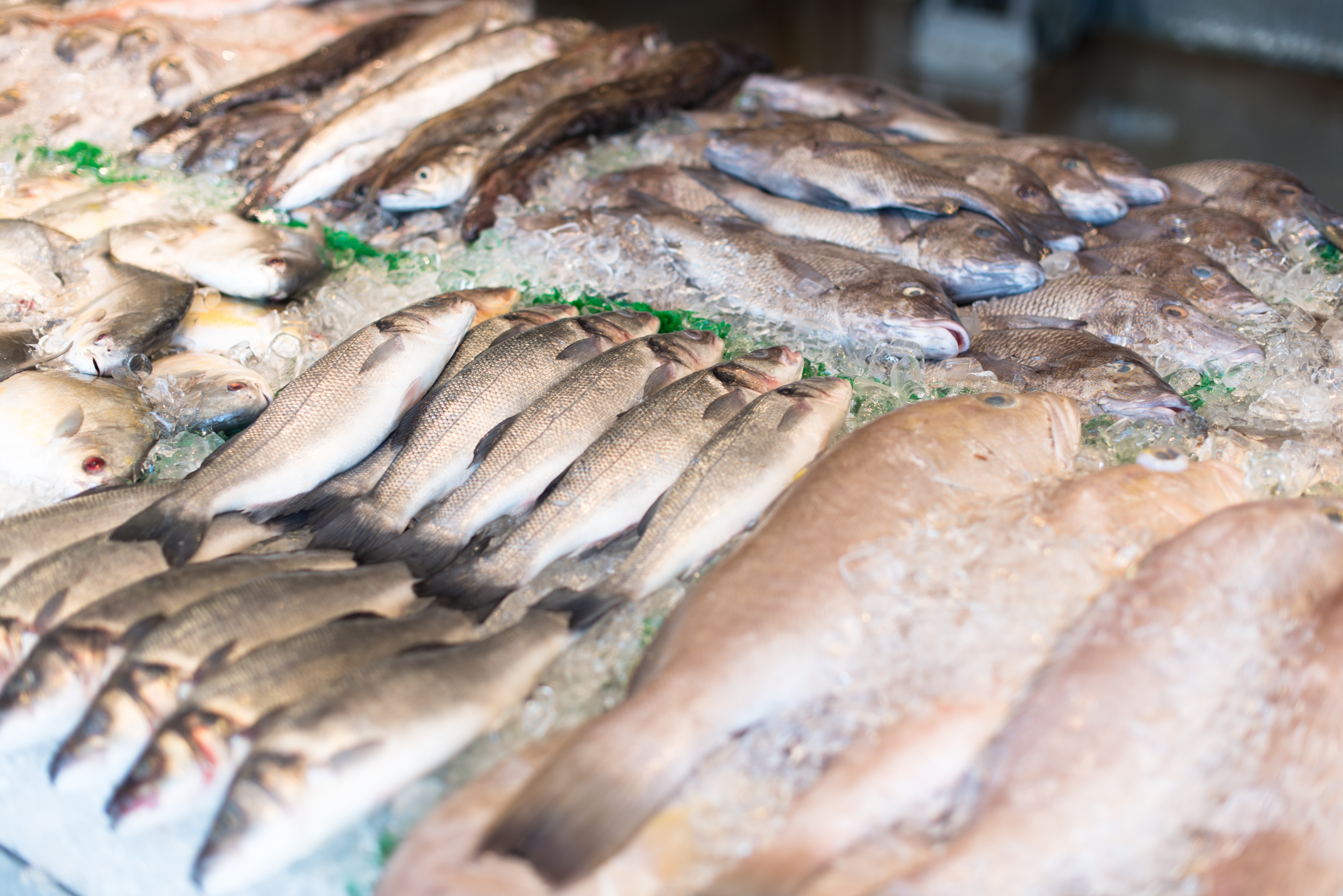
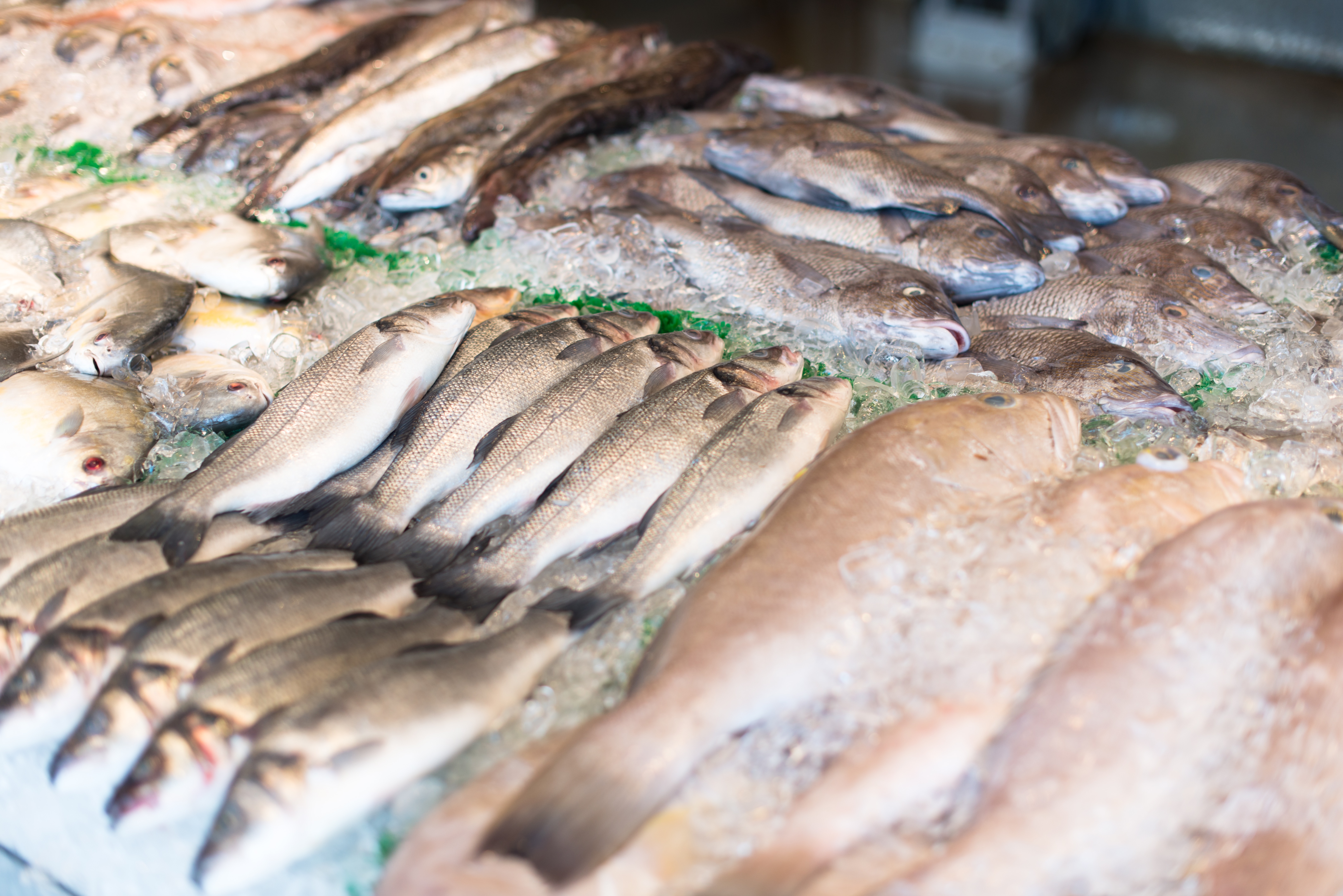
Are you a student living in a boarding house or a homemaker who goes to the market every week? You’ve probably wondered, “Is this fish really fresh?”
Choosing fresh fish is important not only for making delicious meals but also for maintaining food safety and your overall health. So, take note of these simple tips to avoid choosing fish that only looks fresh.
- Look at the Fish’s Eyes
Fresh fish usually have clear, bright, and slightly bulging eyes. If the eyes look dull, cloudy, or sunken, the fish may no longer be fresh. Think of it like how our eyes look after staying up for three days! - Check the Gills
Open the gills and check their color. Fresh fish generally have bright red or pink gills. If the gills look pale, brownish, or covered in excessive slime and have an unpleasant odor, it’s better to choose another fish. - Press the Flesh
Gently press the fish’s body. Fresh fish should have firm, elastic flesh that quickly returns to its original shape after being pressed. If the indentation remains and the flesh feels soft or mushy, the fish is likely no longer fresh. - Smell It
Fresh fish should have a mild, characteristic smell of the sea or freshwater, depending on the type of fish. It should not have an overpowering fishy or rotten smell.
Tip: A very strong fishy odor can be a sign that the fish has been stored for too long or that its quality has started to deteriorate. - Pay Attention to the Skin and Scales
Fresh fish usually have shiny skin, while the scales should remain firmly attached and not come off easily. Also, check the slime on the skin. Fresh fish generally have clear slime, not cloudy or excessively sticky slime. - Choose a Trusted Source
Where you buy your fish matters too. Choose a clean market or vendor that uses enough ice to keep the fish properly chilled. Avoid fish that have been continuously soaked in water. If possible, buy from a trusted regular vendor or a reliable source so you can have more confidence in how the fish has been handled and stored.
Bonus: Fish That Are Good for Your Health
Fish are a good source of protein, and some types are also rich in omega-3 fatty acids. Good options include salmon, sardines, mackerel, catfish, and tilapia.
Omega-3 fatty acids play an important role in supporting heart and brain health. To maintain a varied diet, avoid consuming the same type of fish repeatedly.
For certain fish, it is also important to consider their potential mercury content and choose appropriate types and portions.
In Conclusion
Choosing fresh fish doesn’t have to be complicated. Just remember these three key signs:
Clear eyes, red gills, and firm flesh.
However, don’t forget to check the smell, skin and scales, as well as the cleanliness of the place where the fish is sold. So, before putting that fish in your shopping basket, take a moment to check its freshness first!