Individu
 Group
Group
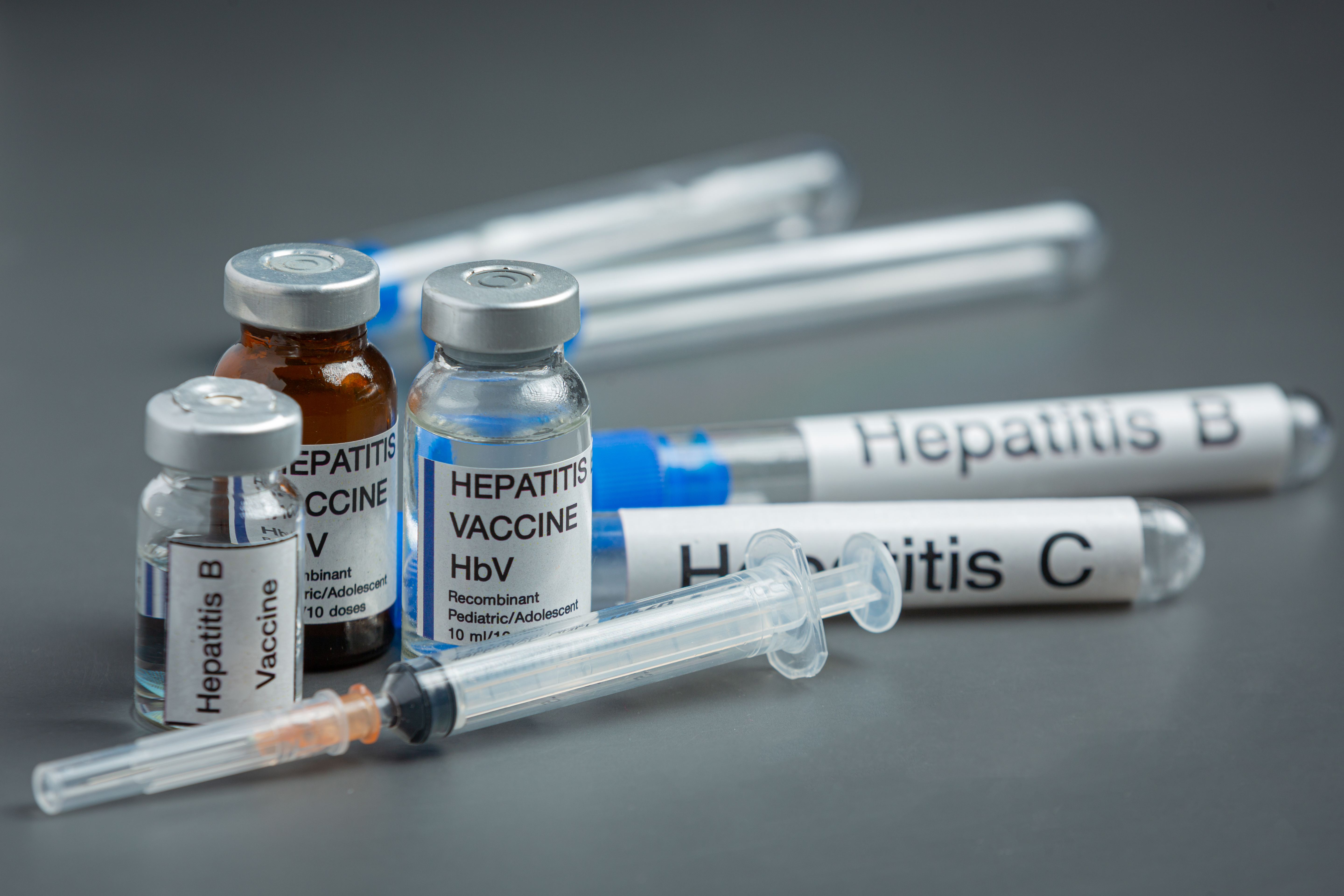
Nicknamed the “Silent Killer,” Here’s Why Hepatitis Is Hard to Detect Early
Have you ever heard the term “Silent Killer”? This nickname is often applied to hepatitis because the disease can develop slowly without causing any obvious symptoms for a long time.
Hepatitis can remain in the body for years without giving any significant warning signs. It isn’t always accompanied by a high fever or severe abdominal pain. Symptoms are often mild, such as feeling weak, nausea, or yellowing of the skin as the condition worsens.
This is what makes hepatitis difficult to detect early on.
Why Is Hepatitis Hard to Detect Early On?
- Symptoms Resemble Everyday Ailments
Fatigue, loss of appetite, and nausea are complaints that are often dismissed as trivial. Many people assume these symptoms are simply caused by lack of sleep or ordinary fatigue. In reality, these mild symptoms can also be signs of liver inflammation that should be taken seriously. - Liver Damage Occurs Gradually
The liver is an organ capable of continuing to function even as it undergoes gradual damage. As a result, many people with hepatitis do not experience pain or significant symptoms in the early stages. By the time more severe symptoms begin to appear—such as yellowing of the skin and eyes or abdominal swelling due to fluid buildup—liver damage has generally been progressing for quite some time. - Rare Laboratory Screenings
Unlike blood sugar or cholesterol tests, which are commonly performed annually, liver function tests and hepatitis screenings are often overlooked. Yet, through a simple blood test, liver health can be assessed early, allowing for prompt and appropriate treatment.
What Should You Do?
The key is not to wait until symptoms appear. Regular liver health screenings are crucial, especially for people with risk factors, such as:
- Having gotten a tattoo or piercing.
- Having received a blood transfusion.
- Frequently sharing razors or personal items that may be contaminated with blood.
- Having other risk factors related to hepatitis transmission.
Getting liver function tests and screening for hepatitis A, B, and C is an investment in maintaining long-term liver health.
Remember, the nickname “Silent Killer” doesn’t mean hepatitis can’t be fought. It’s just that the disease often strikes unnoticed when we let our guard down.
Have you had a liver health checkup this year?